Tactical medicine has become essential for professionals operating in conflict zones, high-risk regions, or environments where medical support is delayed or unavailable. It bridges the gap between first aid and combat readiness, providing crucial life-saving skills under fire.
Why is tactical medical training important?
Tactical Medicine: Essential Training for Professionals Operating in High-Risk Environments
In recent years, tactical medicine has become one of the most critical areas of training for individuals working in unstable, dangerous or combat environments. Whether serving in government agencies, private military companies, VIP protection teams or humanitarian missions, tactical medical skills often determine whether a life can be saved before professional medical support becomes available.
Why is tactical medical knowledge so important?
Tactical medicine combines advanced first-aid skills with a tactical approach that takes into account battlefield dynamics, hostile fire, limited resources and the need for rapid decision-making.
Comprehensive training enables participants to:
respond effectively under extreme stress;
provide care in red, yellow and green zones — including under fire;
follow tactical medical protocols such as the S/MARCHE algorithm;
conduct rapid casualty assessment and prioritize interventions;
plan and execute evacuation in high-risk environments.
These skills are indispensable during combat engagements, terrorist incidents, natural disasters, operations in unstable regions and daily tasks performed by security personnel.
Who can build a career in tactical medicine?
Tactical medical training is highly valuable for:
private military contractors and security personnel;
VIP protection teams;
members of armed forces and special operations units;
rescue, humanitarian and crisis-response missions;
journalists working in conflict zones;
civilians seeking advanced emergency-response skills.
Holding a tactical medicine certificate significantly enhances professional credibility and expands career opportunities in security, defense and emergency operations globally.
What does professional training include?
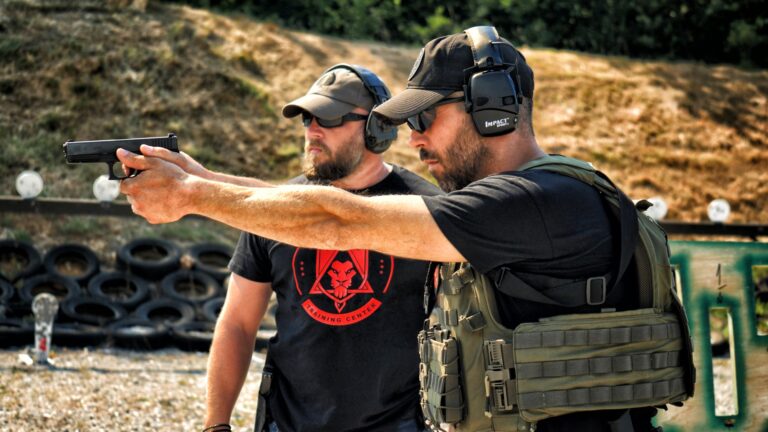
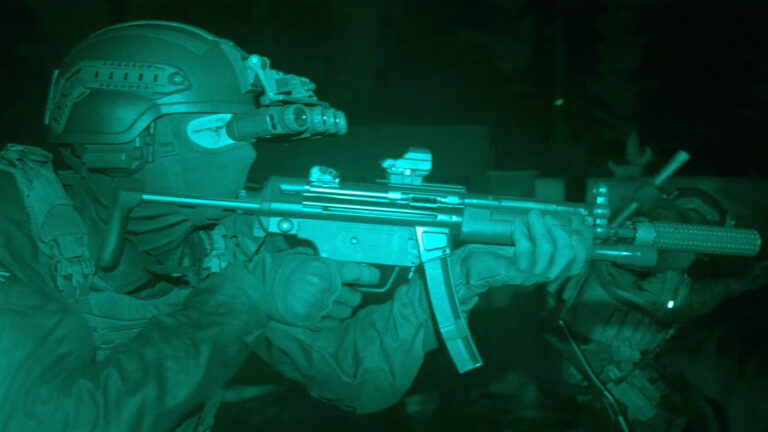
A modern tactical medicine program features an equal blend of theory and hands-on practice conducted both day and night, often with night-vision equipment. Core topics include:
tourniquets, wound packing and hemostatic agents;
managing gunshot, blast, chest and abdominal injuries;
airway management and obstruction removal;
identifying and treating pneumothorax, internal bleeding and shock;
immobilization for fractures, dislocations and burns;
establishing IV access and administering infusions in combat;
tactical casualty movement and 9-Line MEDEVAC procedures;
medical planning and evacuation strategies;
low-light operations with night-vision devices;
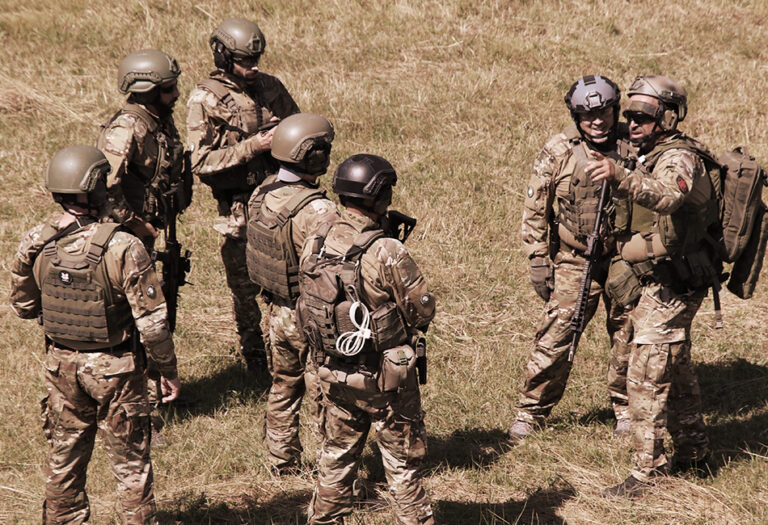
small-unit tactics for providing care under threat.
The 50/50 theory-to-practice ratio ensures realistic skill development suitable for real battlefield conditions.
Professional benefits
Graduates of tactical medical programs:
improve team safety and operational efficiency;
reduce risk during missions;
can intervene when conventional medical support is unavailable;
become key assets within high-risk operational teams.