A practical guide for beginners, military personnel, law enforcement officers, and anyone looking to build a professional career in the security industry.
Are you interested in professional tactical training but unsure where to begin? Are you considering close protection, international security work, firearms training, or specialized security operations? Or do you already have military or law enforcement experience and want to expand your professional qualifications?
Choosing the right training course is one of the most important decisions at the beginning of this journey.
Many people are attracted to advanced programs before developing the necessary foundations. Others, despite having considerable professional experience, choose introductory courses that do not match their actual needs.
The best tactical training course is not necessarily the most advanced or the most expensive. It is the one that matches your existing skills, professional goals, and future career opportunities.
In this guide, we explain how to build a logical training pathway and how different specializations can support your professional development in the security industry.
1. What Is Professional Tactical Training?
Tactical training combines practical skills and theoretical knowledge designed to help individuals perform their responsibilities safely, responsibly, and effectively in complex or potentially high-risk environments.
It may include:
- Safe firearms handling and shooting fundamentals.
- Observation, risk assessment, and decision-making.
- Teamwork and professional communication.
- Close protection and VIP security.
- Security operations and movement in high-risk environments.
- Tactical medicine and emergency first aid.
- Defensive driving and secure transportation.
- Working in low-light and nighttime conditions.
- Specialized training for particular professional responsibilities.
Different courses develop different competencies. It is therefore important to understand that one course cannot replace comprehensive professional training.
2. The First Step: Assess Your Current Experience
Before selecting a course, ask yourself several questions:
- Do you have practical experience handling firearms?
- Have you completed any structured shooting training?
- Do you have military, law enforcement, or private security experience?
- Have you worked as part of a team under pressure?
- Do you have any medical or first aid qualifications?
- Are you looking for a new career, additional qualifications, or improvement in a specific skill?
Your answers will help identify the most appropriate starting point.
I Have No Previous Experience
If you have never completed professional firearms or tactical training, the most sensible approach is to begin with the fundamentals.
This does not mean that you cannot eventually reach an advanced professional level.
It simply means that you should develop the necessary competencies in the right order.
I Have Military or Law Enforcement Experience
Military personnel and law enforcement officers often already possess valuable professional skills and operational experience.
However, military service, police work, and private security involve different responsibilities, legal authorities, and professional expectations.
Moving into a new sector may require additional qualifications, even for someone with considerable previous experience.
I Have Shooting Experience but No Professional Tactical Training
Sport shooting and recreational firearms practice can provide an excellent technical foundation.
However, shooting proficiency does not automatically mean that someone is prepared for professional security work.
Professional training introduces additional elements, including situational assessment, responsibility, communication, interaction with other people, and working in different environments.
3. Tactical Training for Beginners: Where Should You Start?
For someone without previous experience, a progressive approach is generally the most appropriate.
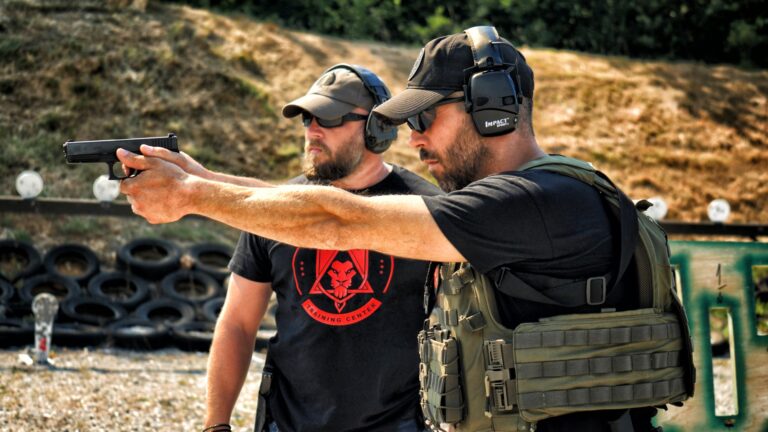
Stage 1: Basic Pistol & Carbine Training Course
This is a logical starting point for developing fundamental firearms skills.
The training emphasizes safety, correct firearms handling, basic shooting principles, and the development of consistent habits.
The objective is not simply to achieve accurate shots but to establish a reliable foundation for further development.
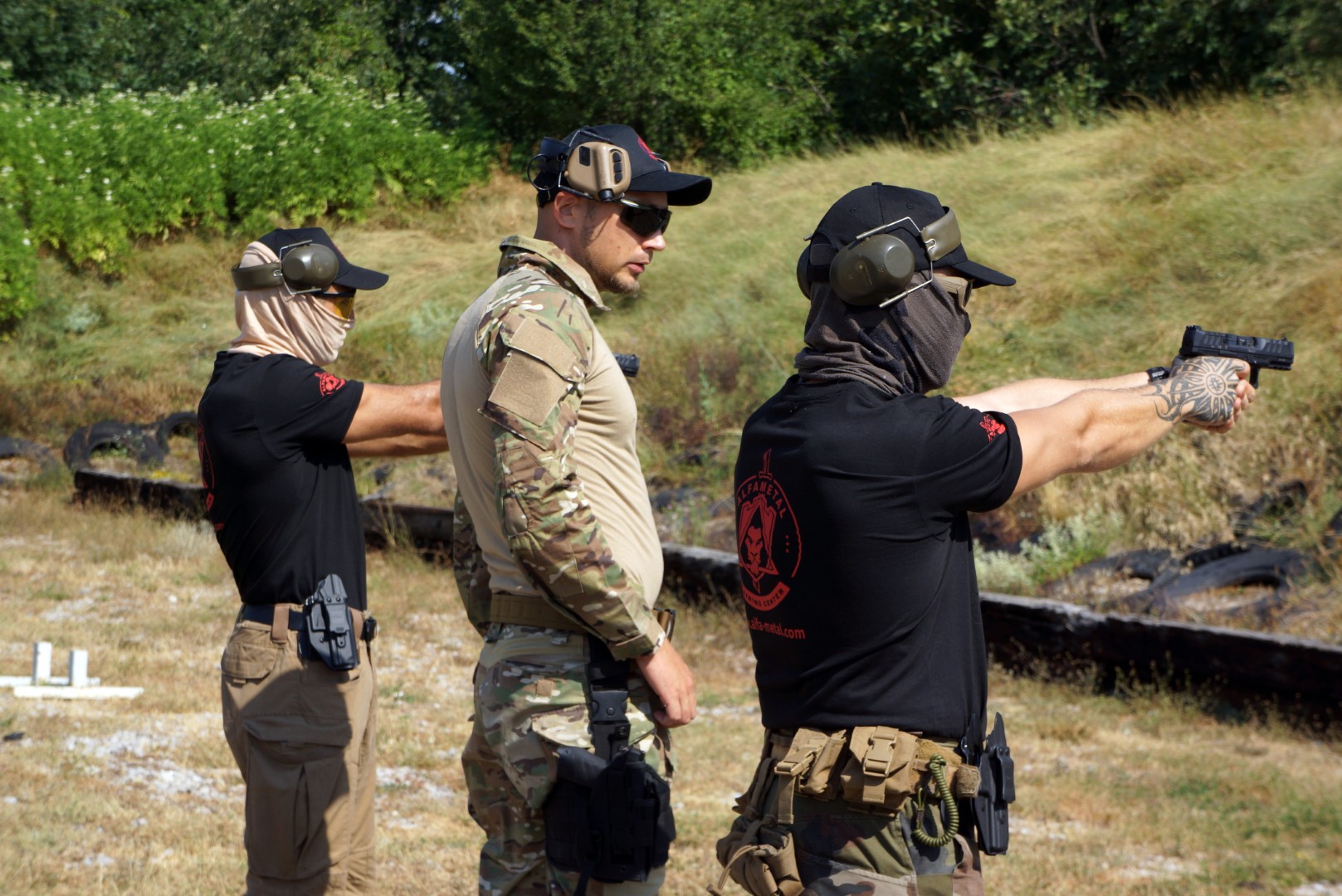
Stage 2: Tactical Pistol & Carbine Training Course
After mastering the fundamentals, students may progress to more advanced firearms training.
At this stage, training develops confidence, consistency, discipline, and the ability to perform in more varied training conditions.
Progression should reflect the student’s actual level of competence rather than simply their desire to attend an advanced course.

Stage 3: Basic First Aid Training (FPOSi – First Person on Scene)
Medical training is valuable for everyone, regardless of their chosen professional specialization.
The introductory First Person on Scene course develops knowledge relevant to responding to injuries and medical emergencies.
These skills are useful not only in the security industry but also in everyday life.

Stage 4: Choosing a Professional Specialization
After developing the necessary foundations, students can select a particular area of specialization:
- Close protection and VIP security
- Private Military Contractor training
- High-risk security and protective operations
- Specialized firearms training
- Defensive driving and mobile escort
- Tactical medicine
- Other specialized training programs
Example training pathway:
Basic Firearms Training → Tactical Firearms Training → First Aid Training → Chosen Professional Specialization.
This is an illustrative pathway rather than a universal requirement. Specific prerequisites depend on the course and the applicant’s previous experience.
4. I Want to Work as a Close Protection Officer or Bodyguard
Close protection is one of the most recognizable professions within the private security industry.
However, the responsibilities of a professional bodyguard extend far beyond physical protection.
The profession requires observation, discretion, communication, risk assessment, planning, coordination, and responsible decision-making.
Which Course Should I Choose?
The specialized Close Protection Operative (CPO) Training – Level 3 is designed for individuals who want to develop their knowledge and skills in personal protection.
The training may be particularly relevant for:
- Aspiring close protection officers.
- Employees of private security companies.
- Former military personnel and police officers.
- Security professionals seeking to transition into VIP protection.
- Individuals interested in developing an international security career.
Beginners should ensure that they have developed the necessary foundational skills before entering specialized training.
What Career Opportunities Are Available?
Depending on qualifications, professional experience, and applicable legal requirements, potential career paths include personal and corporate security, executive protection, celebrity protection, travel security, and employment within specialized protection teams.
It is important to remember that different countries have different licensing and professional requirements.
Completing a training course does not automatically authorize you to work as a close protection officer in every country.
5. I Want to Work as a Private Military Contractor
The profession of Private Military Contractor (PMC) attracts individuals interested in working in complex international environments.
However, this career direction requires personal responsibility, discipline, and a realistic understanding of one’s own capabilities.
Is This Course Suitable for Beginners?
Someone without previous firearms or tactical training should not assume that a single intensive course can compensate for missing foundational skills.
Preparation before attending an advanced program is therefore particularly important.
For beginners, an appropriate training pathway may be:
Basic Firearms Training → Tactical Firearms Training → First Aid Training → Private Military Contractor Course.
What Career Opportunities Are Available?
The international security sector includes various civilian and private activities related to personnel protection, logistical support, security services, and work in higher-risk environments.
Not every position involves armed duties or requires identical qualifications.
Employers may require previous professional experience, language proficiency, medical fitness, background screening, documentation, and specific permits.
A training certificate can form part of your professional portfolio, but it does not guarantee employment.
6. I Have Military or Police Experience: Which Course Should I Choose?
For individuals with previous service experience, the most important question is not how many courses they have completed, but which skills they actually need for their next professional step.
A former soldier who wants to enter the close protection industry may benefit from specialized executive protection training.
A police officer with strong firearms skills may be interested in low-light training, defensive driving, or additional medical qualifications.
An experienced private security professional may choose specialized training relevant to international security work.
Why Should Previous Experience Be Assessed Individually?
Military and law enforcement organizations use different procedures, equipment, and training methods.
Even two applicants with the same number of years of service may have very different practical competencies.
Course selection should therefore be based on actual knowledge, practical experience, and specific professional objectives.
7. I Am Interested in Precision Shooting and Sniper Training
Precision shooting is a specialized discipline that requires patience, concentration, discipline, and consistent development.
It should not be regarded simply as an extension of handgun shooting.
What Is the Appropriate Training Progression?
For someone without sufficient experience handling long-barreled firearms, it is sensible to establish a foundation in safe firearms handling and precision shooting.
Afterward, the following specialized programs may be considered:
- Designated Marksman Training Course – Precision Shooting
- Basic Sniper Training Course – Level III
- Advanced Sniper Training Course – Level II
- Tactical Sniper Deployment Training – Level I
Progression between levels depends on previous qualifications and the requirements of each individual program.
What Are the Professional Development Opportunities?
This specialization is most directly relevant to military personnel and members of authorized government organizations when it corresponds to their official responsibilities.
For civilian precision shooting enthusiasts, development may focus on sporting disciplines and other lawful shooting activities.
It is essential to distinguish between sporting qualifications, professional training, and legal authorization to perform official duties.
8. Other Specializations That Can Expand Your Career Opportunities
Tactical Medicine
Tactical medicine training is valuable for security professionals, close protection personnel, and people working in challenging environments.
It develops the ability to provide assistance during emergencies and can complement other professional qualifications.
Night Operations
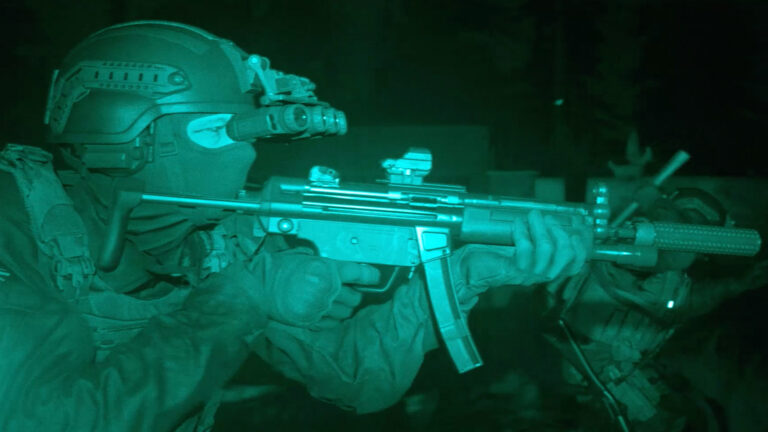
Night Operations and Low-Light Training is suitable for individuals who already possess the necessary foundations and want to develop their abilities under more demanding conditions.
Defensive Driving
Defensive driving and mobile escort training can be particularly useful for close protection officers, corporate security personnel, and professionals whose responsibilities include transporting or accompanying people.
Unmanned Aerial Systems
Drone operator training may create opportunities in technical, observation, inspection, and other specialized activities.
Specific career opportunities depend on the type of training and applicable aviation regulations. Not every specialized course replaces the civilian licenses or authorizations required for particular operations.
9. How to Choose Training Based on Your Career Goals
| Your Goal | Recommended Training Direction |
|---|---|
| You have no previous experience | Basic firearms training and first aid |
| You want to work as a bodyguard | Close protection training |
| You have military experience and want a new specialization | Close protection, international security, or specialized professional training |
| You are interested in working in high-risk environments | Private Military Contractor training and high-risk security courses |
| You are interested in precision shooting | Progressive precision shooting and specialized sniper training programs |
| You want to expand your existing qualifications | Tactical medicine, night operations, defensive driving, or drone training |
This table provides general guidance. The most appropriate program should always be selected according to the individual’s experience and professional objectives.
10. Can Tactical Training Help You Find a Job?
Yes. Professional training can improve a candidate’s knowledge, practical abilities, and professional profile when applying for employment.
However, it is important to understand how the security employment market actually works.
What Do Employers Look For?
Depending on the position, employers may consider:
- Professional experience and previous service.
- Completed training programs and certificates.
- Practical competencies and discipline.
- Foreign language proficiency.
- Physical and medical fitness.
- Communication and teamwork skills.
- References and professional reputation.
- Required licenses and permits.
For international positions in particular, English language proficiency can be a significant advantage.
Is One Certificate Enough?
Usually not.
A certificate confirms completion of the relevant training program, but employers assess many additional factors.
Certain positions require national licenses, professional experience, or specific authorizations.
It is therefore more realistic to regard training as an investment in your professional qualifications rather than a promise of employment.
How Can You Build a More Competitive Professional Profile?
Combine relevant training with practical experience, foreign language skills, medical knowledge, and a clearly defined professional specialization.
Keep your CV up to date, retain documentation of completed courses, and regularly review the requirements of employers operating in your chosen sector.
A well-planned training pathway may be more valuable than collecting numerous unrelated certificates.
11. Why Choose Professional Training at Alfa-Metal?
Alfa-Metal International Center for Special Training in Protection and Security, Bulgaria offers a variety of training programs in security, protection, and specialized professional development.
The center provides training infrastructure, shooting ranges, classrooms, and facilities suitable for practical instruction in different environments.
Its programs are designed for both beginners and individuals with previous professional experience, subject to the relevant admission requirements.
An Individual Approach to Course Selection
Not every candidate requires the same training.
Someone who wants to become a close protection officer has different objectives from a military professional seeking additional qualifications or a civilian interested in precision shooting.
Choosing the right program therefore begins with assessing previous experience and identifying the desired direction of development.
Training for International Participants
Alfa-Metal welcomes candidates from different countries and provides opportunities for professional training in Bulgaria.
International applicants should consider enrollment requirements, travel arrangements, documentation, and applicable national regulations when selecting a program.
Holding a training certificate does not remove the legal requirements for employment or practicing a regulated profession in another country.
12. The Most Common Mistakes When Choosing a Tactical Training Course
Choosing a course that is too advanced. The desire to progress quickly is understandable, but insufficient foundational skills may limit the benefits of training.
Choosing based on price alone. A cheaper course is not necessarily better value if it does not match your professional goals.
Overlooking medical training. First aid is a practical skill with applications far beyond the security industry.
Expecting guaranteed employment. Training may improve your professional profile, but recruitment depends on the employer and the requirements of the position.
Collecting unrelated certificates. Building a consistent professional qualification pathway is generally more useful than attending courses without a clear objective.
Conclusion: The Right Course Is the One That Brings You Closer to Your Goal
Professional tactical training is not a competition to complete the most demanding course.
It is a process of developing knowledge, practical skills, discipline, and responsibility.
For one person, the right first step may be basic firearms training.
For another, it may be a close protection course.
For someone else, specialized training may build upon years of professional experience.
The most important thing is to understand your starting point and know what you want to achieve.
Do not choose a course based solely on its title. Choose training that develops the skills you need and brings you closer to your real professional objectives.
Explore Alfa-Metal’s training programs and choose the next step in your professional development.
Frequently Asked Questions
What Is the Best Tactical Training Course for Beginners?
For someone without previous experience, it is generally advisable to begin with basic firearms safety and shooting training. After developing the necessary foundations, students can gradually progress to more specialized programs.
Can I Enroll in a Private Military Contractor Course Without Military Experience?
Previous military service is not necessarily a universal requirement for every training program. However, the necessary firearms and practical skills should be assessed beforehand. Beginners may need additional preparatory training.
Which Course Should I Take to Become a Bodyguard?
A suitable training direction is the Close Protection Operative course. However, additional licenses, permits, or qualifications may be required to work legally in the profession, depending on the country.
Are Tactical Training Certificates Recognized Internationally?
This depends on the type of certificate, training program, employer, and national legislation. It is important to distinguish between a course completion certificate, a professional qualification, and a license to practice a regulated occupation.
Can I Find a Job After Completing a Tactical Training Course?
Training may improve your career prospects, but it does not guarantee employment. Employers also assess previous experience, language skills, required authorizations, and suitability for the specific position.
Are Tactical Training Courses Suitable for Civilians?
Yes. Certain programs are suitable for civilian applicants who meet the admission requirements and applicable legal regulations. However, not every specialized course is intended for beginners.
How Long Does It Take to Obtain Professional Qualifications?
There is no universal timeframe. The duration depends on your starting level, chosen specialization, required training programs, and the legal requirements of the relevant profession.
Which Is More Important: Professional Experience or Training Certificates?
They complement each other. Practical experience demonstrates the application of skills, while structured training can provide additional knowledge and document completed education. Their relative importance depends on the specific professional position.