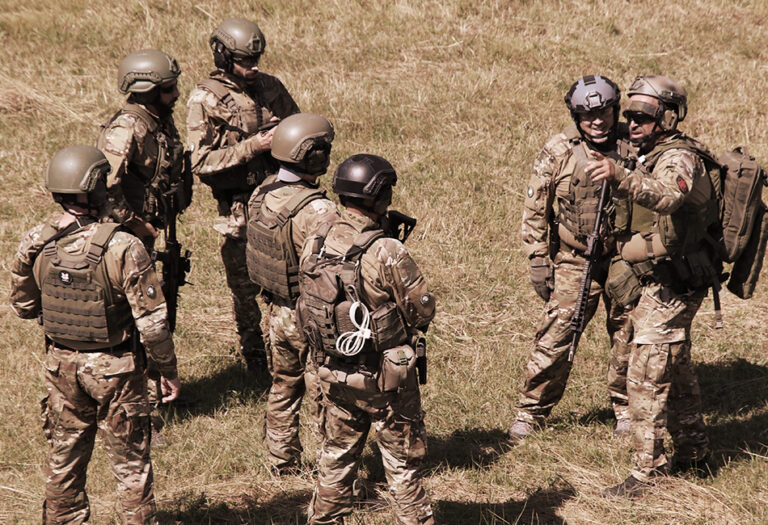
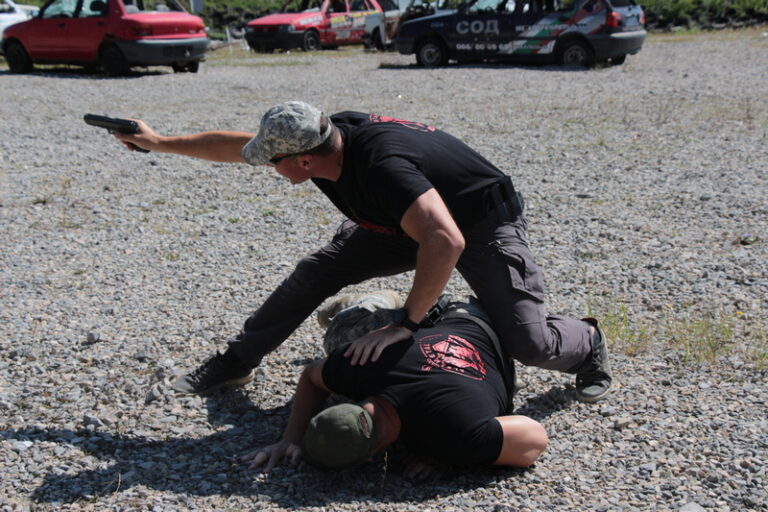
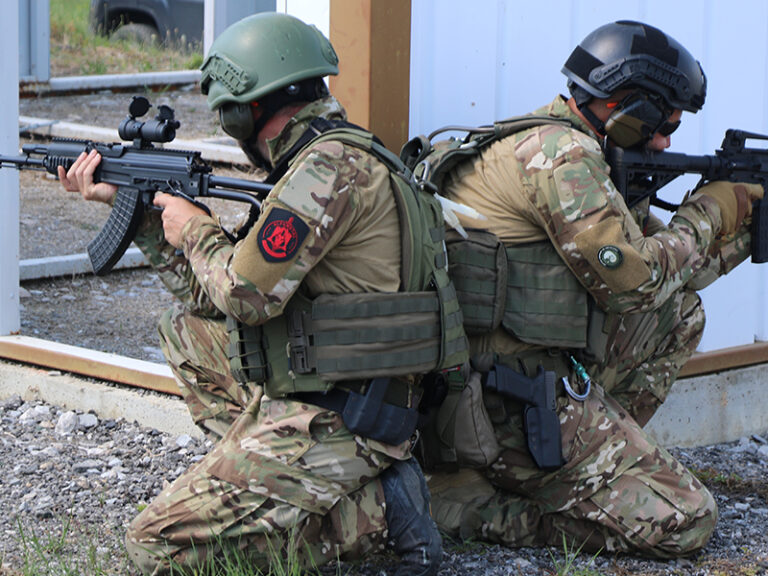
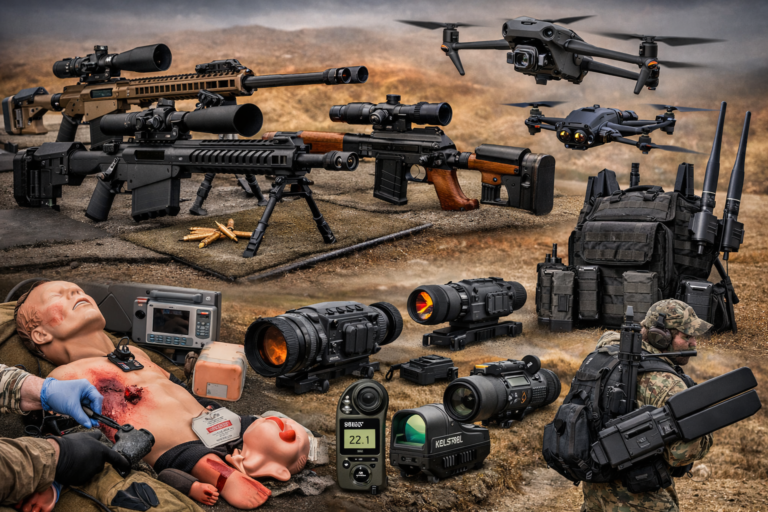
In an increasingly interconnected world, maritime trade remains a vital pillar of the global economy – over 80% of global trade is transported by sea. To ensure the safety of this massive flow of goods, maritime security plays a key role by protecting ships, crews, cargo, and infrastructure from threats such as piracy, armed attacks, and other risks.
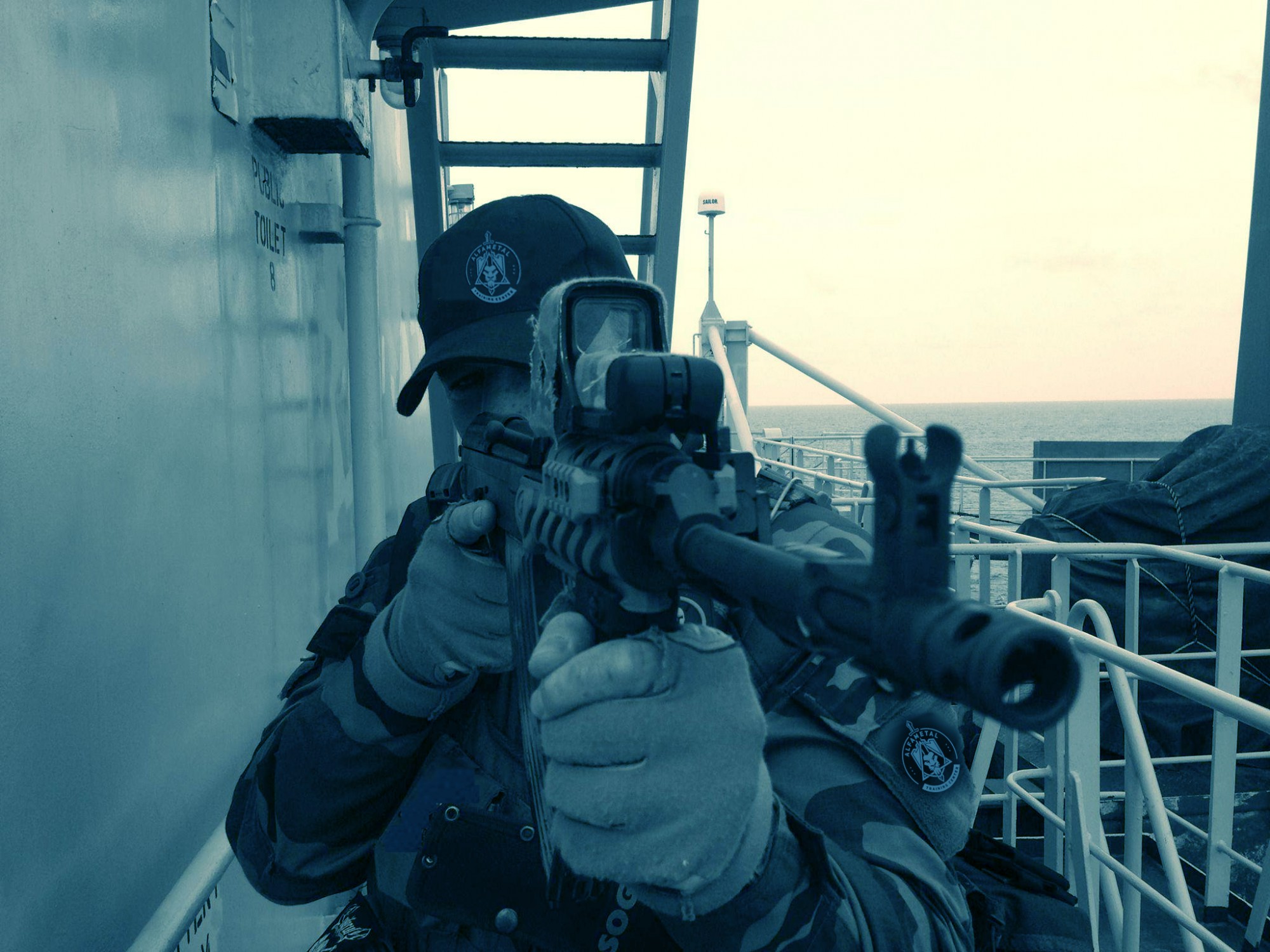
What Is Maritime Security?
Maritime security is a broad discipline that includes the protection of vessels and maritime assets, risk management, and response to incidents at sea and in ports. It goes far beyond physical guarding and covers international standards, operational planning, threat assessment, emergency procedures, and cooperation with public and private authorities.
Why Maritime Security Knowledge Is Valuable
1. Sustainable Demand for Professionals
Global maritime transport is critical infrastructure, and risks have not diminished. Piracy and armed threats in certain regions remain a reality. Qualified maritime security professionals are essential for companies and institutions to operate safely and efficiently.
2. Skills That Open Doors
Maritime security training provides both theoretical knowledge and practical skills – from operational planning to crisis response and compliance with international standards. This includes threat identification, team coordination, and real-world operational decision-making.
3. International Standards and Recognized Qualifications
Many programs follow international standards such as STCW and ISO/PAS 28007, which are recognized by employers worldwide – a major advantage for an international career.
Career Opportunities in Maritime Security
Maritime security training opens the door to a wide range of career paths, including:
Maritime Security Operative – see our course here
A role in which you become part of a team ensuring the safety of vessels and cargo in international waters. This is one of the most common entry-level positions. Responsibilities include:
- protection of ships and crews during transit;
- access control and surveillance;
- implementation of procedures during threats or incidents;
- working in an international environment.
Suitable for professionals from private security as well as transport and logistics backgrounds.
Maritime Security Team Leader – see our course here
After gaining experience and advanced training, the natural progression is into a leadership role. Responsibilities include:
- planning security operations;
- coordination between the security team, ship’s crew, and company;
- decision-making in real operational situations;
- training and mentoring team members.
This role requires strong leadership skills in addition to technical expertise.
Port and Logistics Security Roles
Maritime security competencies are also highly sought after in port operations. Ports are critical infrastructure where the following are essential:
- access control;
- protection of high-value cargo;
- coordination with authorities and operators.
Here, maritime security training is a significant competitive advantage.
Positions in Private Maritime Security Companies
The private sector actively seeks professionals capable of planning and executing strategies for the protection of vessels and cargo.
Skills You Will Gain
Maritime security training develops key competencies such as:
- Risk assessment and risk management – identifying threats and planning countermeasures;
- Communication and teamwork – coordination with international teams, authorities, and partners;
- Emergency response – practical techniques for incidents, emergencies, and attacks;
- International maritime law and standards – understanding regulatory frameworks and procedures.
How Training Supports Career Development
These skills are often part of combined training programs that include globally recognized certifications such as STCW (Standards of Training, Certification and Watchkeeping), significantly increasing employability.
The combination of practical training and certification enables careers in private maritime security companies, international logistics, shipping, and port operations. These professions are inherently international, offering opportunities worldwide.
What Are the Actual Salaries?
Compensation in maritime security depends on:
- qualification level;
- position;
- operational area;
- assignment duration.
Indicatively:
- Maritime Security Specialist:
EUR 2,500 – 4,000 per month (international assignments); - Team Leader:
EUR 4,000 – 6,000+ per month; - Project-based or rotational work:
often paid per day or per mission.
This makes maritime security one of the better-paid niches in the private and transport security sector.
Who Is Maritime Security Training Suitable For?
- professionals in international maritime transport;
- private security personnel and candidates;
- former military, police, or security officers;
- logistics and port operations specialists;
- individuals seeking an international, hands-on career.
Frequently Asked Questions (FAQ)
Is maritime security dangerous?
The profession requires discipline and preparation, but training significantly reduces risks through clear procedures and effective response.
Is prior military or security experience required?
Not necessarily. Training programs are designed to build competencies even for candidates without prior experience.
Can I work abroad?
Yes. The international nature of maritime security is one of its main advantages.
Is there career progression after initial training?
Absolutely. Initial training is the first step toward leadership roles, specialization, and higher responsibility.
Why Maritime Security Is an Investment in the Future
Maritime security is more than a course or certificate – it is a professional field offering stability, global opportunities, and strong demand. As global trade continues, the need for skilled maritime security professionals will only grow.